Deciding what to cook every day can become surprisingly time-consuming. You might open the refrigerator, look through the pantry, and still struggle to decide what to make. Sometimes, you end up buying ingredients you already have or ordering food because nothing is planned.
Meal planning helps solve these everyday problems. Instead of deciding on food at the last minute, you have a basic idea of what you will eat throughout the week.
Whether you cook for yourself or manage meals for an entire family, a simple plan can make grocery shopping, cooking, and kitchen management easier.
What Is Meal Planning?
Meal planning is the process of deciding what you will eat in advance, usually for a few days or an entire week. It involves choosing meals for breakfast, lunch, dinner, and snacks based on your preferences, schedule, and available ingredients.
It usually includes selecting recipes, checking what you already have in your kitchen, and preparing a grocery list for the ingredients you need. A meal planner app can simplify this process by keeping recipes, weekly meal schedules, and shopping lists in one place.
Example: If you're planning meals for Monday, your schedule might look like this:
- Breakfast: Oatmeal
- Lunch: Chicken salad
- Dinner: Vegetable pasta
That's a simple meal plan for one day.
Meal planning doesn't mean preparing every meal in advance or following a strict diet. It's simply about knowing what you intend to eat, having the ingredients ready, and making everyday food decisions easier.
Why Is Meal Planning Important?
Meal planning offers several practical benefits, especially when you have a busy schedule or manage groceries for multiple people.
1. Saves Time During the Week
Deciding what to cook every day takes time. Planning meals removes much of that daily guesswork. You already know what to prepare, so you can spend less time deciding and more time cooking.
2. Helps Manage Grocery Spending
When you plan meals before shopping, you can create a list based on ingredients rather than buying items without a clear purpose. This reduces unnecessary purchases and makes it easier to work within your grocery budget.
3. Reduces Food Waste
Without a plan, fresh ingredients can remain unused until they spoil. Planning meals around ingredients that are close to expiring is one of the simplest ways to reduce food waste at home, especially when you regularly buy fresh produce.
4. Supports More Balanced Eating
Meal planning helps you include different food groups throughout the week rather than relying on whatever is convenient at the last minute.
The CDC's healthy eating recommendations highlight the importance of including vegetables, fruits, protein foods, whole grains, and other nutrient-dense options in everyday meals.
5. Makes Family Meals Easier to Manage
When several people share cooking and grocery responsibilities, having a meal schedule helps everyone understand what is planned. You can also account for different food preferences, dietary requirements, and busy family schedules.
How to Start Weekly Meal Planning: 7 Simple Steps
You do not need complicated spreadsheets or hours of preparation to start. Follow these seven steps to create a weekly meal plan that works with your everyday routine.
Step 1: Check What You Already Have
Before choosing recipes or buying groceries, check your pantry, refrigerator, and freezer.
Look for ingredients already available, including opened packages, fresh produce, frozen foods, and leftovers. Note anything that needs to be used soon.
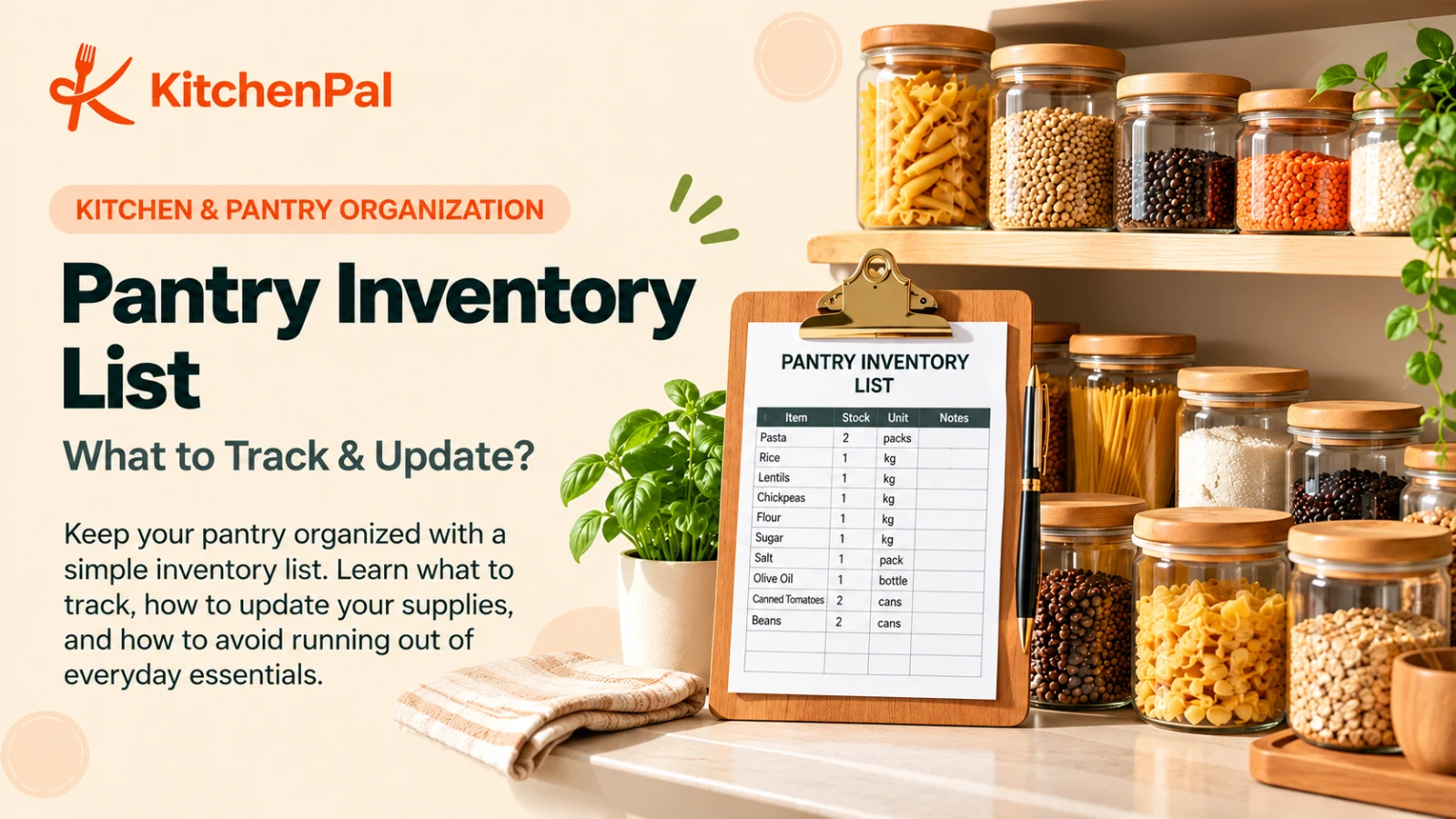
A simple pantry inventory list can help you track available ingredients and avoid purchasing duplicates.
Example: If you already have rice, vegetables, and eggs, you could plan vegetable fried rice instead of purchasing ingredients for an entirely new dish.
Step 2: Consider Your Weekly Schedule
Your meal plan should fit your actual routine, not the other way around.
Look at your upcoming week and identify days when you have more or less time to cook.
- Busy weekdays: Choose quick meals with fewer preparation steps.
- Weekends: Try recipes that require more cooking time.
- Work-from-home days: Plan meals that can be prepared fresh.
- Family evenings: Include dishes everyone can enjoy.
You don’t have to plan elaborate meals for every day. Keeping a few simple options makes your schedule easier to manage.
Step 3: Decide What Meals to Include
Start by planning dinners, then add breakfasts, lunches, and snacks if needed.
Choose meals that match your preferences, available ingredients, and cooking time. Try to include different ingredients throughout the week instead of repeating the same meals every day.
For example, you could use roasted vegetables for dinner and add the leftovers to a lunch wrap the next day.
Step 4: Create a Weekly Meal Schedule
Once you have selected your meals, organize them by day. Here is a simple example of a weekly meal plan:
| Day | Lunch | Dinner |
|---|---|---|
| Monday | Chicken salad | Vegetable pasta |
| Tuesday | Rice and lentils | Grilled chicken and vegetables |
| Wednesday | Vegetable wrap | Rice and beans |
| Thursday | Leftover pasta | Homemade vegetable soup |
| Friday | Egg sandwich | Baked potatoes and salad |
| Saturday | Chickpea salad | Homemade pizza |
| Sunday | Vegetable rice | Roasted chicken and vegetables |
This is only a sample. Adjust the meals, portions, and ingredients according to your household's preferences.
Step 5: Prepare Your Grocery List
After finalizing your meals, list all the ingredients you need.
Check your existing kitchen inventory before adding anything to the shopping list. Remove ingredients you already have in sufficient quantities and note the amounts you need to purchase.
Organize the list into categories such as:
- Fruits and vegetables
- Dairy and eggs
- Meat and seafood
- Grains and cereals
- Canned and packaged foods
- Spices and cooking essentials
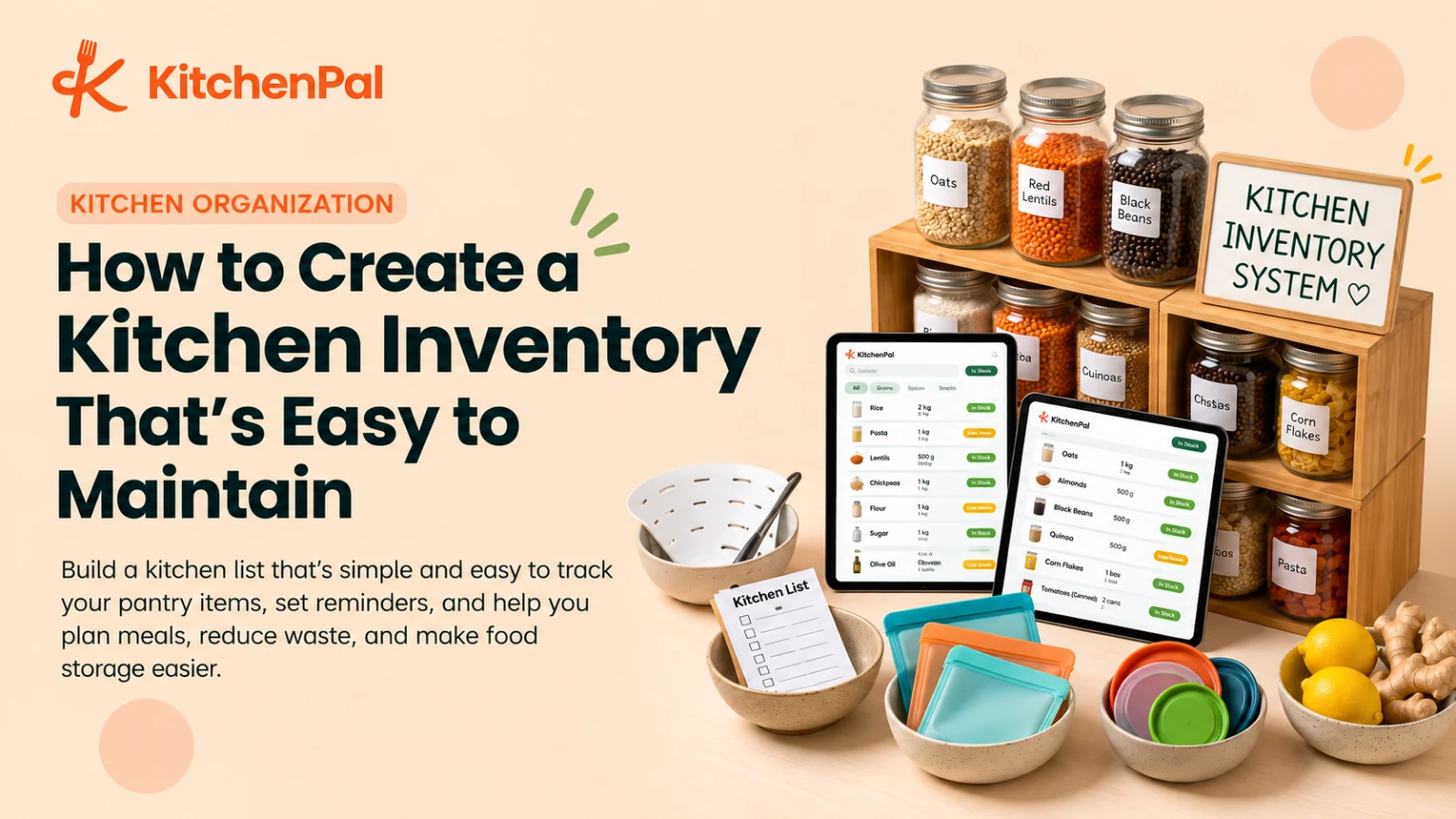
A kitchen inventory system can make it easier to connect available ingredients with upcoming meals and grocery requirements.
Step 6: Prepare Ingredients in Advance
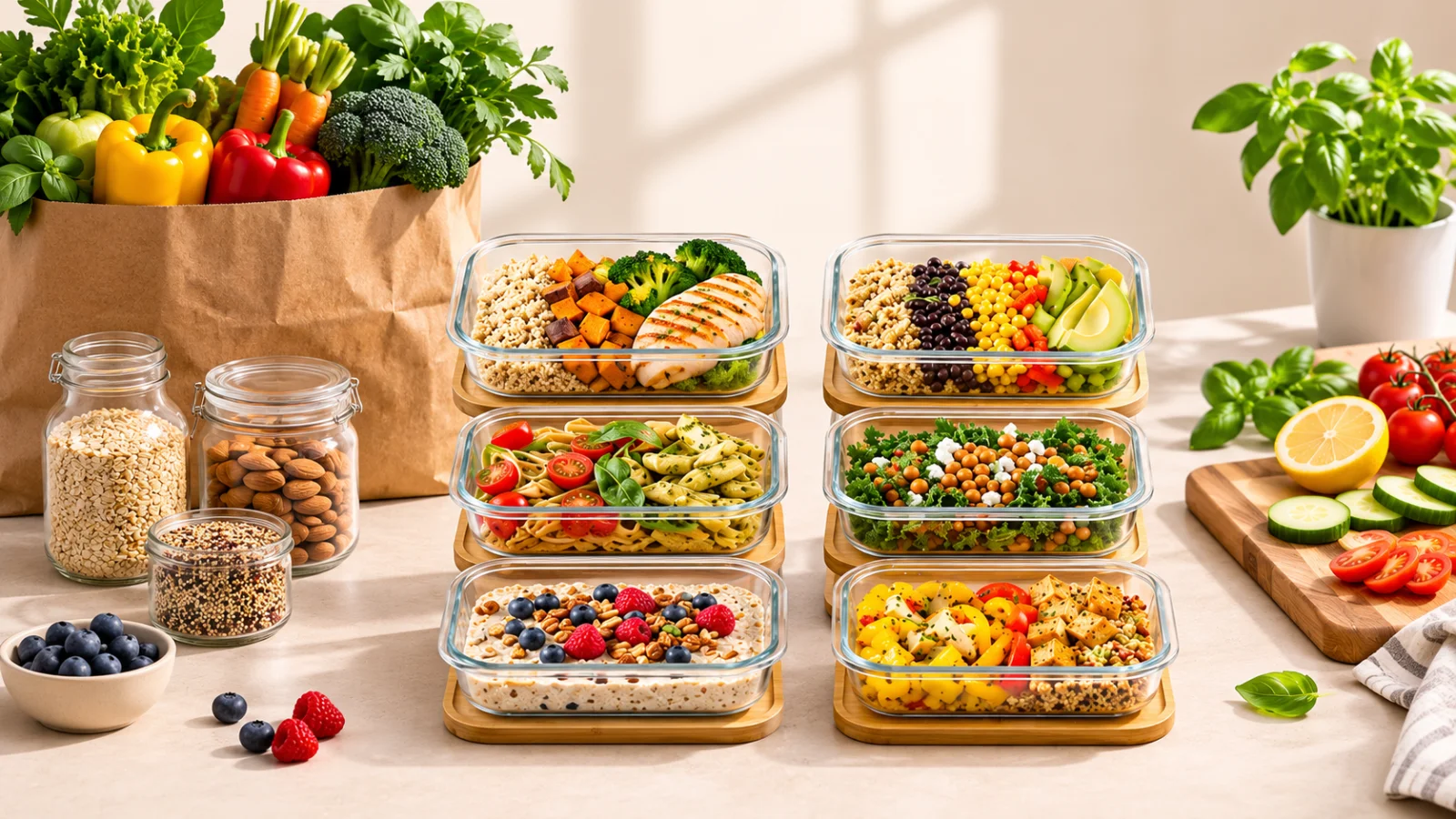
You do not need to cook seven days' worth of food in one session. Instead, prepare a few ingredients that will make weekday cooking easier.
For example, you can:
- Wash and chop vegetables.
- Cook rice or other grains for upcoming meals.
- Prepare sauces and marinades.
- Portion ingredients for individual recipes.
- Store suitable leftovers for future meals.
Use appropriate storage containers, refrigeration, and freezing practices to keep prepared food safe.
Step 7: Review and Adjust Your Plan
A meal plan should remain flexible. Unexpected plans, changes in appetite, and leftover ingredients can affect what you actually cook.
Review your schedule during the week and move meals around when necessary. If you do not feel like preparing a planned dish, swap it with another meal rather than abandoning the entire plan.
The goal is to make meal planning useful, not restrictive.
How Can a Meal Planner App Make Planning Easier?
A notebook or spreadsheet can work well when you are starting. However, managing recipes, ingredients, and grocery lists separately can become inconvenient over time.
A meal planner app brings these activities together, making it easier to organize meals and manage shopping.
When choosing the best meal planning app, consider features such as:
- Weekly Meal Scheduling: Organize breakfast, lunch, and dinner by day so you can see your upcoming meals at a glance.
- Recipe Management: Save favorite recipes and find new meal ideas based on your preferences and available ingredients.
- Automatic Grocery Lists: Generate shopping lists from planned recipes and identify ingredients that are missing from your kitchen.
- Shared Shopping Lists: A shared grocery list allows family members to access and update shopping requirements together, reducing duplicate purchases and missed items.
- Kitchen Inventory Tracking: A grocery inventory app helps you monitor pantry, refrigerator, and freezer supplies so you can plan meals around ingredients you already own.
This makes it easier to connect what you have at home with what you plan to cook and purchase.
Common Meal Planning Mistakes to Avoid
Meal planning becomes easier when you avoid a few common mistakes:
- Planning too many complicated recipes: Start with meals you already know how to prepare.
- Ignoring your existing ingredients: Check your pantry and refrigerator before shopping.
- Not considering your schedule: Avoid planning time-consuming meals on your busiest days.
- Preparing too much food: Match quantities to your household's actual needs.
- Following a rigid schedule: Leave room for changes and unexpected plans.
- Forgetting leftovers: Include suitable leftovers in future meals to make better use of ingredients.
Remember, a successful meal plan is one you can realistically maintain.
Conclusion
Meal planning does not have to be complicated. Start by checking your kitchen supplies, choosing meals that fit your schedule, and preparing a grocery list based on what you actually need.
As you become more comfortable, you can introduce ingredient preparation, leftover planning, and digital tools to make the process easier.
A simple weekly routine can help you spend less time deciding what to cook and manage your kitchen more effectively. With a meal planner app like KitchenPal, you can bring meal schedules, recipes, inventory, and grocery lists together, making everyday food planning easier to maintain.