Family grocery shopping sounds simple until everyone manages it separately. One person notices the milk is running low, another adds vegetables to a notes app, and someone else returns from the supermarket with another pack of something already sitting in the pantry.
The result? Forgotten essentials, duplicate purchases, last-minute store visits, and more time spent coordinating groceries than actually preparing meals.
A shared grocery list app can make this routine easier by giving the entire household one place to organize shopping needs. Instead of relying on memory or scattered messages, family members can use a common list, coordinate upcoming meals, and check what is already available.
Here’s how the right system can simplify family shopping and what to look for when choosing an app for your household.
What Is a Shared Grocery List App?
A shared grocery list app is a digital shopping list that multiple people can access and update from their own devices. Family members can add products, adjust quantities, and mark items as purchased so everyone knows what still needs attention.
Unlike a paper list that stays with one person, a shared list gives the household a common place to organize grocery needs.
For example, imagine a household planning meals for the next five days:
- One parent adds ingredients for weekday dinners.
- Another family member notices that breakfast cereal and fruit are running low.
- A teenager adds their preferred snacks.
- Whoever visits the supermarket can check the list and mark items as purchased.
Everyone works from the same source of information rather than maintaining separate lists.
The real benefit is not just a digital checklist. It is creating a shared routine that everyone can contribute to the household’s grocery needs.
6 Ways a Shared Grocery List App Makes Family Shopping Easier
Here are six ways a shared grocery list app can make family shopping simpler, from keeping everyone updated to reducing food waste and sharing shopping responsibilities.
1. Keeps Everyone on the Same Page
One of the biggest challenges in family shopping is communication.
- A quick message can get buried in a busy group chat.
- A handwritten note can be left at home.
- A reminder can easily be forgotten.
A shared grocery list gives the household a consistent place to record what is needed.
Example: If someone finishes the last carton of eggs while preparing breakfast, they can add eggs to the list immediately. The next person heading to the supermarket can see the request without needing a reminder.
This small habit reduces reliance on memory and makes grocery planning a shared responsibility.
To make this system work, agree on a simple household rule: whenever someone notices an essential item is running low, they add it to the shared list.
2. Helps Prevent Duplicate Purchases
It’s easy to buy something you already have when different family members shop independently. The extra purchase may not seem significant, but over time, it can lead to cluttered cupboards, unnecessary spending, and wasted food.
A shared grocery list helps prevent this by making planned purchases visible to everyone.
Example: Before adding another bottle of cooking oil or another packet of rice, a family member can check the current list and household supplies. Once an item is purchased, the shopper can mark it as complete so others know it has been handled.

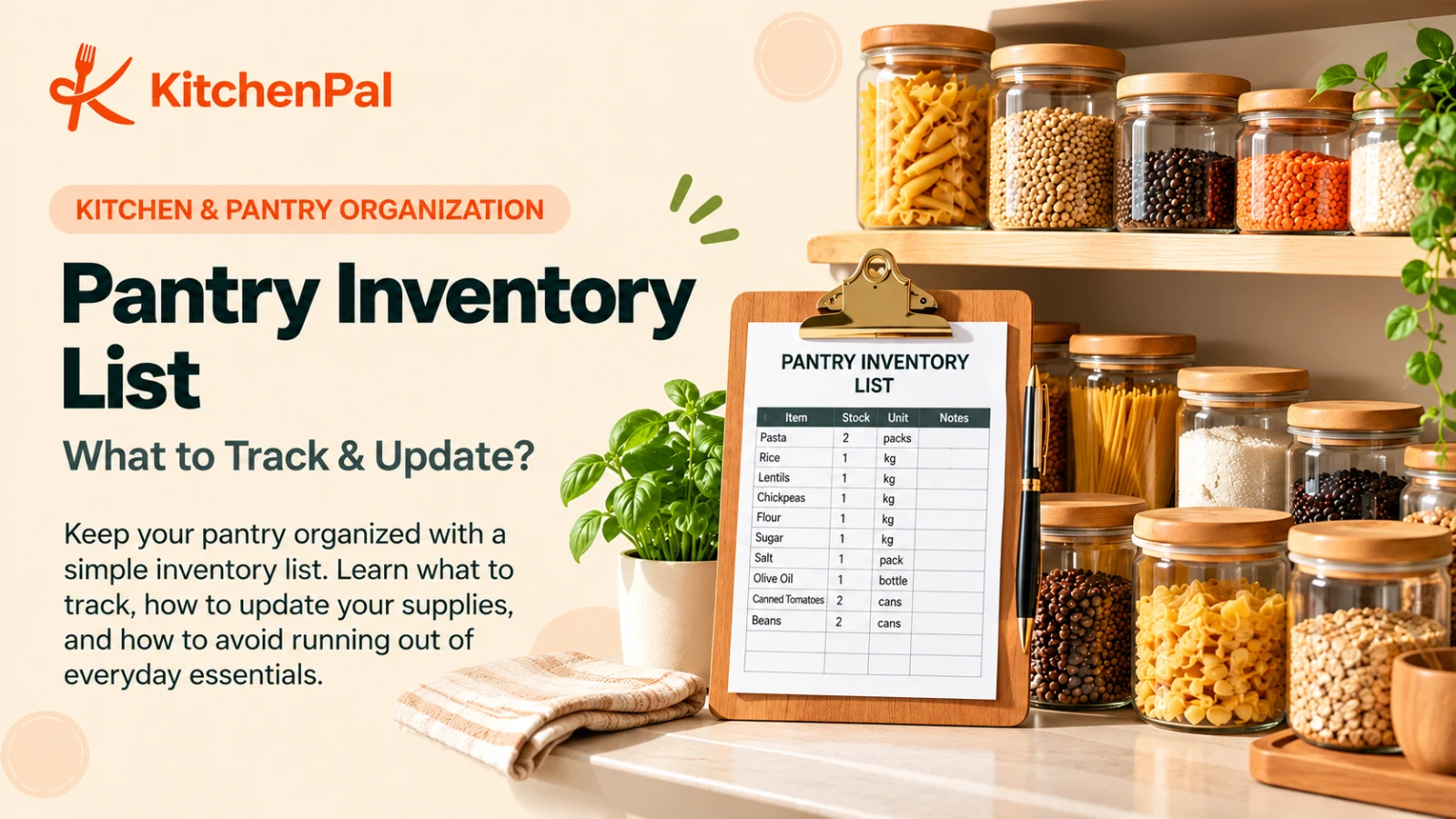
The list becomes even more useful when paired with a kitchen inventory. Before adding rice, pasta, cooking oil, or other staples, family members can check what quantity is available.
Maintain a pantry inventory list that records essential supplies and identifies items that need replenishing.
3. Makes Family Meal Plans Easier to Organize
Grocery shopping becomes more predictable when the household agrees on what to cook before buying ingredients.
Research published in the Journal of Cleaner Production, based on 4,324 observations, examined how household food-management practices relate to food waste. Planning meals and managing food supplies can help families use ingredients better and avoid unnecessary purchases.
Without a plan, family members may buy ingredients for different meals, overlook something essential, or purchase fresh food that nobody intends to use.
A shared list works well alongside a weekly meal plan. One person can suggest dinners, another can check ingredients already available, and whoever shops can buy missing items.
For example, a simple weekly plan might include:
- Monday: Vegetable stir-fry with rice
- Tuesday: Lentil soup and bread
- Wednesday: Pasta with vegetables
- Thursday: Homemade wraps using leftover ingredients
- Friday: A family-favorite meal
Once the meals are decided, list the ingredients required for each recipe. Then check what you already have and add only the missing items to your grocery list.
This approach connects meal decisions with shopping needs and reduces the number of last-minute choices you have to make.
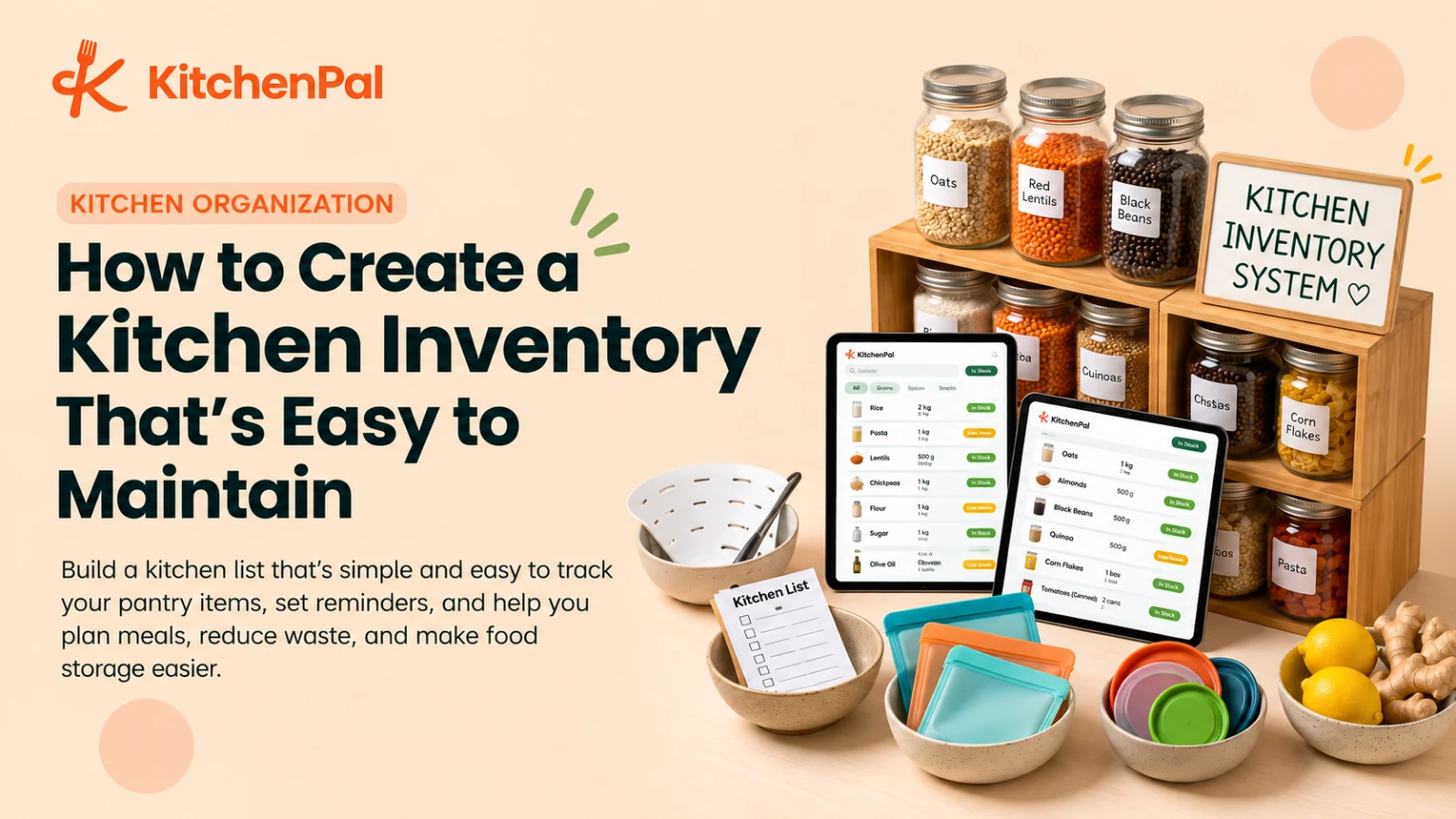
4. Connects Shopping With Your Kitchen Inventory
A grocery list tells you what you intend to buy. A kitchen inventory system helps you understand what you already own.
Using these two tools together makes grocery planning more purposeful.
Consider a family preparing vegetable soup. The recipe requires carrots, onions, stock, and lentils. Before shopping, someone checks the kitchen inventory and finds that the lentils and onions are already available.
Only add the missing ingredients to the shopping list.
This is where maintaining a useful pantry inventory list becomes valuable. You do not need to record every single item perfectly from day one. Start with frequently used essentials, such as:
- Rice, pasta, flour, and other grains
- Cooking oil, spices, and seasonings
- Canned or dried beans and lentils
- Breakfast cereals and everyday snacks
- Refrigerator and freezer staples
Record quantities and update them when you use or replenish supplies. A good app supports quantities, expiry dates, or inventory-based suggestions; use those features where they add genuine value.
5. Reduces Unnecessary Food Waste
Food waste can begin long before food reaches the bin. It can start when a household buys ingredients without checking existing supplies, plans too many meals, or forgets what is already stored in the refrigerator.
A 2025 study published in Waste Management used seven-day electronic diaries from a nationally representative sample of 1,462 Australian participants. It estimated that households discarded an average of 35.2 kg of avoidable fruit and vegetables annually.
A shared grocery list can help families make more deliberate purchasing decisions and reduce food waste, especially when combined with meal planning and kitchen inventory tracking.
Try these practical habits:
- Check the refrigerator, freezer, and pantry before writing the weekly list.
- Plan meals around ingredients that should be used soon.
- Add realistic quantities instead of buying ingredients without a clear purpose.
- Include planned leftovers in the next few days of meals.
- Remove items from the list when they are no longer needed.
The USDA’s meal-planning guidance also recommends checking food availability, planning meals, and making a shopping list based on what is needed.
A grocery list cannot guarantee that food will never be wasted, but it can support more thoughtful purchasing decisions.
6. Saves Time During Busy Weeks
Family schedules rarely stay the same every day. Work commitments, school activities, appointments, and unexpected changes can make meal preparation difficult to coordinate.
A shared list separates the planning task from the shopping trip.
Family members can add items whenever they notice a need rather than waiting until someone is ready to leave for the store.
For a smoother trip, organize groceries into sections such as:
- Fresh produce
- Dairy and refrigerated items
- Meat, fish, or plant-based proteins
- Grains and bakery products
- Pantry staples
- Frozen foods
- Household essentials
Grouping similar items makes the list easier to scan and can help shoppers avoid repeatedly moving between aisles.
The same routine works for online grocery orders. Review the shared list, confirm quantities, and remove anything already available at home before checking out.
What to Look for in the Best Grocery List App for Families
Not every grocery list app offers the same capabilities. A simple checklist may be enough for one person, while a busy household may benefit from a tool that connects shopping, meal planning, and kitchen organization.
If you are comparing options for the best shared shopping list app, consider the following features.
| Feature | Why it matters for families |
|---|---|
| Shared lists | Lets household members contribute to one grocery list. |
| Real-time updates | Helps reduce confusion when items or quantities change. |
| Check-off functionality | Shows which items have already been purchased. |
| Meal planning | Connects planned meals with the ingredients you need. |
| Kitchen inventory tracking | Helps you check existing supplies before buying more. |
| Recipe organization | Makes it easier to plan meals and identify ingredients. |
| Quantity management | Helps shoppers buy realistic amounts. |
| Easy navigation | Makes the app practical for everyday use. |
For many families, the most useful combination is a shared grocery list, an accessible meal planner, and a straightforward way to keep track of kitchen supplies.
How to Set Up a Shared Grocery List for Your Family
The best shared list fits your household's routine. You do not need to track every product in detail from the beginning.
Follow these five steps to create a system your family can maintain.
Step 1: Choose one shared list.
Select a grocery list app that lets the people involved access and update the same list. Agree on which list to use so requests do not get scattered across messages and separate notes.
Step 2: Divide the list into practical categories.
Start with everyday categories such as fruits and vegetables, dairy, meat and seafood, pantry staples, snacks, and household essentials. Adjust them to match the way your family shops.
Step 3: Add quantities where they matter.
Instead of writing only "milk" or "apples," specify the amount needed. This is particularly helpful for products used across several meals or items that the household buys in bulk.
Step 4: Check your kitchen before adding more.
Review the pantry, refrigerator, and freezer before finalizing the list. Add only the items that are missing or need replenishing. If your household regularly loses track of supplies, a kitchen inventory system can help organize what you already have.
Step 5: Agree on a simple updating routine.
Ask family members to add items when they notice a shortage and mark purchases as completed while shopping. Before the weekly trip, review the list together and remove anything no longer needed.
A short, consistent routine is more useful than an elaborate system nobody remembers to maintain.
Conclusion: Make Family Shopping a Shared Routine
Grocery shopping becomes easier when everyone knows what the household needs, what is already available, and what meals are planned for the week.
A shared grocery list app provides a common place to coordinate those decisions, while meal planning and kitchen inventory help make each shopping trip more purposeful.
You do not have to change your entire routine overnight. Start with one shared list, encourage everyone to update it, and review your kitchen supplies before shopping.
If you want to connect these tasks, KitchenPal brings shared grocery lists, meal planning, and kitchen inventory together to help your household stay organized.