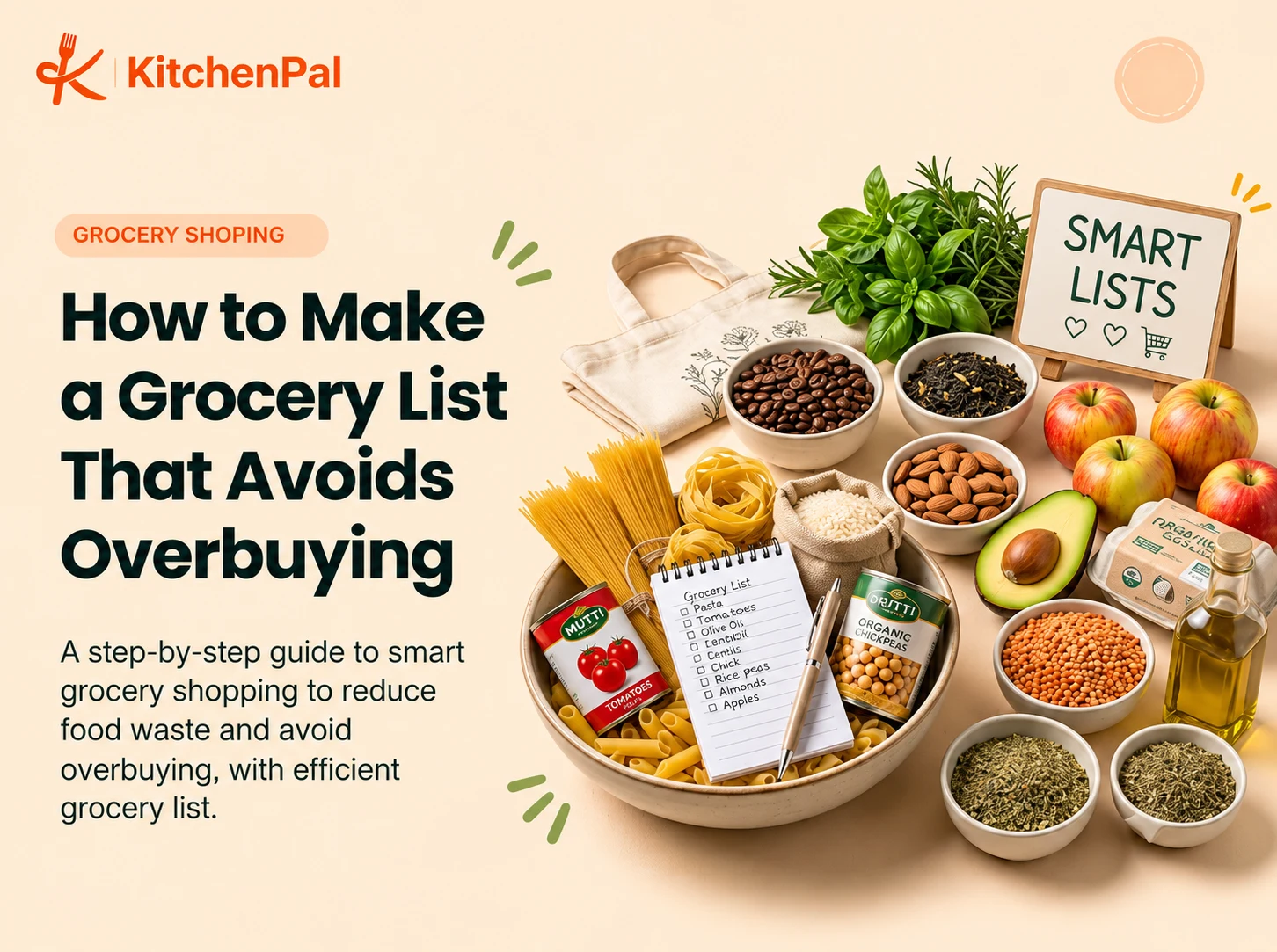
Have you ever returned from grocery shopping with bags full of food, only to discover you already had some of the same items at home? Or bought fresh vegetables for the week and watched them waste?
A grocery list can help, but only when it reflects what your household actually needs. Without checking existing supplies, planning meals, or estimating quantities, it is easy to buy more than you can use.
Learning how to make a grocery list that prevents overbuying helps you shop with a clear purpose, spend more carefully, and reduce avoidable food waste.
Why Grocery Lists Don’t Always Prevent Overbuying
Writing down grocery items is a good start, but a list alone cannot prevent unnecessary purchases. The problem often lies in how the list is prepared.
- Shopping without checking existing supplies: You may add rice, milk, eggs, or snacks to your list without checking what is already in your pantry or fridge.
- Planning meals without considering available ingredients: Choosing recipes first can lead to buying ingredients you already own or purchasing extra items for meals you may not cook.
- Buying larger quantities than you need: Family-size packs and bulk deals can seem economical, but they are not worthwhile if the food goes unused.
- Adding impulse purchases: Discounts, attractive packaging, and last-minute cravings can turn a focused shopping trip into an unnecessarily expensive one.
The solution is to build your grocery list around your existing food, upcoming meals, and realistic quantities.
How to Make a Grocery List That Prevents Overbuying
A useful grocery list should answer three questions: What do you already have? What will you cook? How much do you actually need?
Follow these five steps to make your next shopping trip more intentional.
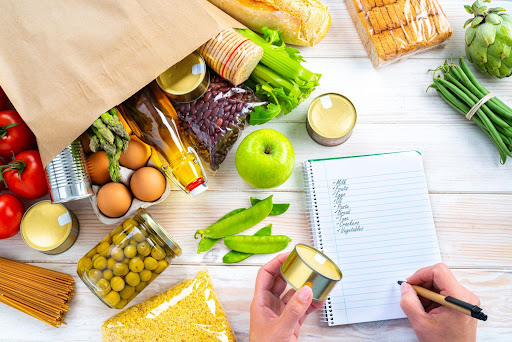
1. Check Your Kitchen Before Making the List
Before adding anything to your grocery list, look through your pantry, refrigerator, and freezer. This helps you identify what needs replenishing and what should be used before you buy more.
Best practice: Check your existing supplies before planning additional purchases.
- Review pantry staples: Check quantities of rice, flour, pasta, cooking oil, spices, and other regularly used ingredients.
- Inspect the fridge and freezer: Look for vegetables, dairy products, frozen foods, and leftovers you can use in upcoming meals.
- Note what needs attention: Separate items that are running low from foods that should be used soon.
For example, if you already have half a packet of pasta and an unopened jar of sauce, you may only need vegetables or cheese to complete the meal.
Your shopping list should reflect what is missing, not everything you might need in a fully stocked kitchen.
2. Plan Meals Before Choosing What to Buy
Meal planning gives every grocery purchase a purpose. Instead of buying ingredients because they look useful, decide what you expect to cook and shop accordingly.
Best practice: Plan meals around ingredients you already have before adding new ones.
- Choose meals for the week: Consider breakfasts, lunches, dinners, and snacks based on your household’s routine.
- Use ingredients you already own: Build a meal around vegetables, grains, or other foods that need to be used soon.
- List only the missing ingredients: Check each planned meal against your kitchen supplies before adding items.
For instance, if you plan to make vegetable pulao, check whether you have rice, spices, and vegetables first. Buy only the ingredients or quantities you are missing.
The U.S. Environmental Protection Agency also recommends planning meals, checking existing food, and buying only what you expect to use to help prevent food waste. Its household food waste guidance offers more practical tips.
A meal plan turns a general shopping list into a list of ingredients you have a clear reason to buy.
3. Add Quantities Instead of Just Item Names
A list that says “tomatoes, milk, bread, and apples” tells you what to buy, but not how much. Without quantities, you may purchase more than your household can use.
Best practice: Estimate quantities based on planned meals, household size, and what you already have.
- Calculate ingredient needs: If two meals require four tomatoes in total and you have one, add three to your list.
- Consider how many people will eat: Adjust quantities to match your household rather than following package sizes automatically.
- Account for food you already have: Include only the amount needed to make up the difference.
For example, instead of writing “spinach,” write “one small bunch for two meals.” This makes it easier to choose a suitable quantity while shopping.
Specific quantities help you avoid buying duplicates and make it easier to compare package sizes.
4. Separate Essentials From Optional Purchases
Not every item on a grocery list has the same level of importance. Running out of cooking oil is different from wanting to try a new snack.
Best practice: Distinguish necessary purchases from items you can skip without affecting your meal plans.
- Mark essential items: Prioritize ingredients required for planned meals and household staples that are nearly finished.
- Create an optional section: Keep treats, new products, and non-urgent extras separate.
- Set a spending limit: Decide how much you can spend on optional purchases before entering the store.
This approach does not mean you cannot buy something spontaneous. It simply helps you make that decision consciously instead of adding several unplanned items to your cart.
A priority-based list makes it easier to protect your budget without making grocery shopping feel restrictive.
5. Review the List Before Shopping
Take a final look at your grocery list before leaving home or placing an online order. A quick review can catch duplicate items, unnecessary quantities, and ingredients that no longer fit your plans.
Best practice: Treat the list as a final check of your actual needs.
- Remove duplicates: Compare the list with your pantry and fridge one more time.
- Check quantities: Make sure each amount matches your planned meals and available supplies.
- Question every extra: If an item is not essential or connected to a meal, decide whether you genuinely need it this week.
A few minutes of review can prevent purchases you might otherwise forget about or leave unused.
A Sample Grocery List That Helps Prevent Overbuying
Imagine you are planning meals for a small household. You check your kitchen inventory and find that you already have rice, two onions, and some cooking oil.
Your list might look like this:
| Item | Already have | Planned use | Need to buy |
|---|---|---|---|
| Rice | 500 g | Two meals | None |
| Onions | 2 | Four meals | 2 more |
| Tomatoes | 1 | Two meals | 3 |
| Spinach | None | One meal | 1 small bunch |
| Milk | About 1 cup | Breakfasts | 1 litre |
Note: The quantities are examples, so adjust them to your meals and household needs.
You can also use a digital grocery list app to record quantities, update items as you shop, and share the list with family members. This makes it easier to keep everyone on the same page and avoid duplicate purchases.
5 Grocery Shopping Habits Everyone Should Develop
A good list works best when you follow a few sensible habits in the store.
- Stick to your list: Make exceptions for genuine needs, not every attractive offer.
- Compare package sizes: Check the unit price, but consider whether you will use the full quantity.
- Buy fresh food realistically: Choose produce quantities that fit your planned meals and storage capacity.
- Be cautious with bulk deals: Buying more only saves money if you use the extra food before it spoils.
- Update your kitchen inventory: After shopping, note what you bought and what you used so your next list is more accurate.
According to UNEP’s Food Waste Index Report, households generated 60% of global food waste, highlighting the importance of planning grocery purchases and buying only what you need.
Your grocery list guides what you buy, while your shopping habits determine whether you stick to it.
How a Shared Grocery List App Can Make Shopping Easier
When several people manage the same kitchen, keeping track of grocery needs can become confusing. A shared grocery list app helps everyone work from one list instead of creating separate lists or buying the same item twice.
- Keep one shared list: Add grocery needs as soon as you notice them.
- Avoid duplicate purchases: Check whether someone else has already added or bought an item.
- Coordinate family meal plans: Make it easier to plan meals around everyone’s schedule.
- Connect shopping with kitchen inventory: Check existing supplies before adding more items.
- Simplify weekly planning: Keep your grocery list and meal planning routine organized in one place.
Conclusion: Make Every Grocery Trip More Intentional
Preventing overbuying does not require a complicated budget or a perfectly organized kitchen. Start by checking what you have, planning meals, and adding realistic quantities to your grocery list.
Before you shop, review the list and remove anything you do not genuinely need. Over time, these small habits can help you manage grocery spending, use ingredients more effectively, and waste less food.
KitchenPal brings shopping lists, kitchen inventory tracking, and meal planning together, helping households keep track of what they have and what they need. You can explore pantry tracking and grocery list features to see how they fit into your routine.