Deciding what to cook for breakfast, lunch, and dinner every day can be challenging, especially when you are planning meals for the entire family. Different preferences, busy schedules, and grocery shopping can make everyday cooking feel more complicated than it needs to be.
A family meal plan gives you a clear idea of what to prepare throughout the week. This 7-day family meal plan offers 21 meal ideas, covering breakfast, lunch, and dinner each day. It includes simple breakfasts, satisfying lunches, and family-friendly dinners that make weekly cooking easier.
Follow the schedule as it is or adjust meals based on your family's preferences, available ingredients, and dietary needs.
7-Day Family Meal Plan with Prep-Ahead Ideas
The following weekly family meal plan combines familiar ingredients, simple recipes, and different food groups. It also includes meals that can share ingredients, making grocery shopping and preparation easier.
| Day | Breakfast | Lunch | Dinner | Prep-ahead idea |
|---|---|---|---|---|
| Monday | Scrambled eggs, whole-wheat toast, and fresh berries | Grilled chicken wraps with lettuce and tomatoes | Baked chicken, brown rice, and roasted broccoli | Cook extra chicken and rice for Tuesday and Wednesday |
| Tuesday | Overnight oats with banana and peanut butter | Chicken and avocado sandwiches with fruit | Beef or bean tacos with lettuce, tomatoes, and corn | Prepare taco toppings while dinner cooks |
| Wednesday | Greek yogurt with granola and fresh fruit | Leftover chicken and rice bowls | Whole-wheat pasta with tomato sauce, turkey meatballs, and salad | Make extra meatballs for a future lunch or dinner |
| Thursday | Whole-grain pancakes with strawberries | Egg salad sandwiches with vegetable sticks | Baked salmon, roasted potatoes, and green beans | Roast extra potatoes for Friday’s omelet side |
| Friday | Spinach and cheese omelet with toast | Chickpea and vegetable wraps | Homemade whole-wheat pizza with vegetables and mozzarella | Chop pizza toppings and prepare salad ingredients |
| Saturday | Peanut butter and banana toast with milk | Chicken or hummus grain bowls | Chicken and vegetable stir-fry with brown rice | Use leftover chicken, rice, and vegetables from earlier meals |
| Sunday | Scrambled eggs, whole-grain toast, and orange slices | Vegetable soup with grilled cheese sandwiches | Roast chicken, sweet potatoes, and mixed vegetables | Save leftover chicken for Monday’s wraps or salads |
Note: These are suggested meals. Adjust ingredients, portions, and substitutions based on family preferences, allergies, and dietary requirements.
A useful way to follow this schedule is to prepare ingredients that can work across multiple meals. For example, extra chicken from Monday's dinner can become part of Tuesday's lunch. Similarly, you can use leftover rice in Wednesday's lunch bowls.
You can also replace ingredients based on seasonal availability or what you already have at home. The goal is to make everyday cooking easier, not to follow a rigid schedule.
Easy Food Swaps for Different Family Needs
A meal plan should work for your household, not the other way around. Use these simple substitutions when ingredients are unavailable, or family members have different needs.
- Vegetarian: Replace chicken, turkey, beef, or salmon with beans, lentils, tofu, tempeh, eggs, or cheese.
- Dairy-free: Use fortified soy, oat, or almond milk; choose dairy-free yogurt, cheese, and butter alternatives as needed.
- Gluten-free: Use gluten-free bread, wraps, pasta, and pancakes; check labels on sauces and processed foods.
- Lower-carb: Serve dinners with extra vegetables or salad instead of rice, potatoes, or pasta.
- Picky eaters: Serve sauces, vegetables, and toppings separately so everyone can customize their plate.
How to Make Your Family Meal Plan Balanced
A good family meal plan should offer variety rather than repeat the same ingredients every day. The USDA’s current dietary guidance encourages choosing a variety of nutrient-dense foods, including fruits, vegetables, whole grains, and protein foods. Use these recommendations as a general reference when planning balanced family meals.
Here are three simple ways to bring more variety into your family's meals.
Include Different Food Groups in Every Meal
Combine different food groups to make meals more varied. For example, serve eggs with whole-grain toast and fruit for breakfast, or pair chicken with brown rice and vegetables for dinner.
Add Fruits & Vegetables Throughout the Day
Include fresh, frozen, or suitable canned fruits and vegetables in everyday meals. Add berries to breakfast, vegetables to lunch wraps, and a side of broccoli or green beans with dinner.
Adjust Portions and Ingredients for Your Family
Family members may have different appetites, preferences, and nutritional needs. Adjust serving sizes accordingly and offer suitable alternatives for children or adults with specific dietary requirements.
5 Practical Tips to Make Family Meal Planning Easier
Having a weekly menu is a good starting point. A few simple habits can make meal planning easier to follow and reduce the effort involved in cooking and grocery shopping.

1. Plan Around Your Family's Weekly Schedule
Consider your family's work, school, and activity schedules before selecting meals. Choose quick recipes for busy weekdays and save meals that require more preparation for evenings when you have extra time.
Keep two or three easy backup meals, such as vegetable pasta, sandwiches, or omelets, for days when your schedule changes unexpectedly.
2. Check Your Pantry Before Shopping
Look through your pantry, refrigerator, and freezer before preparing your grocery list. You may already have ingredients like rice, pasta, canned beans, or frozen vegetables you can use in the week's meals.
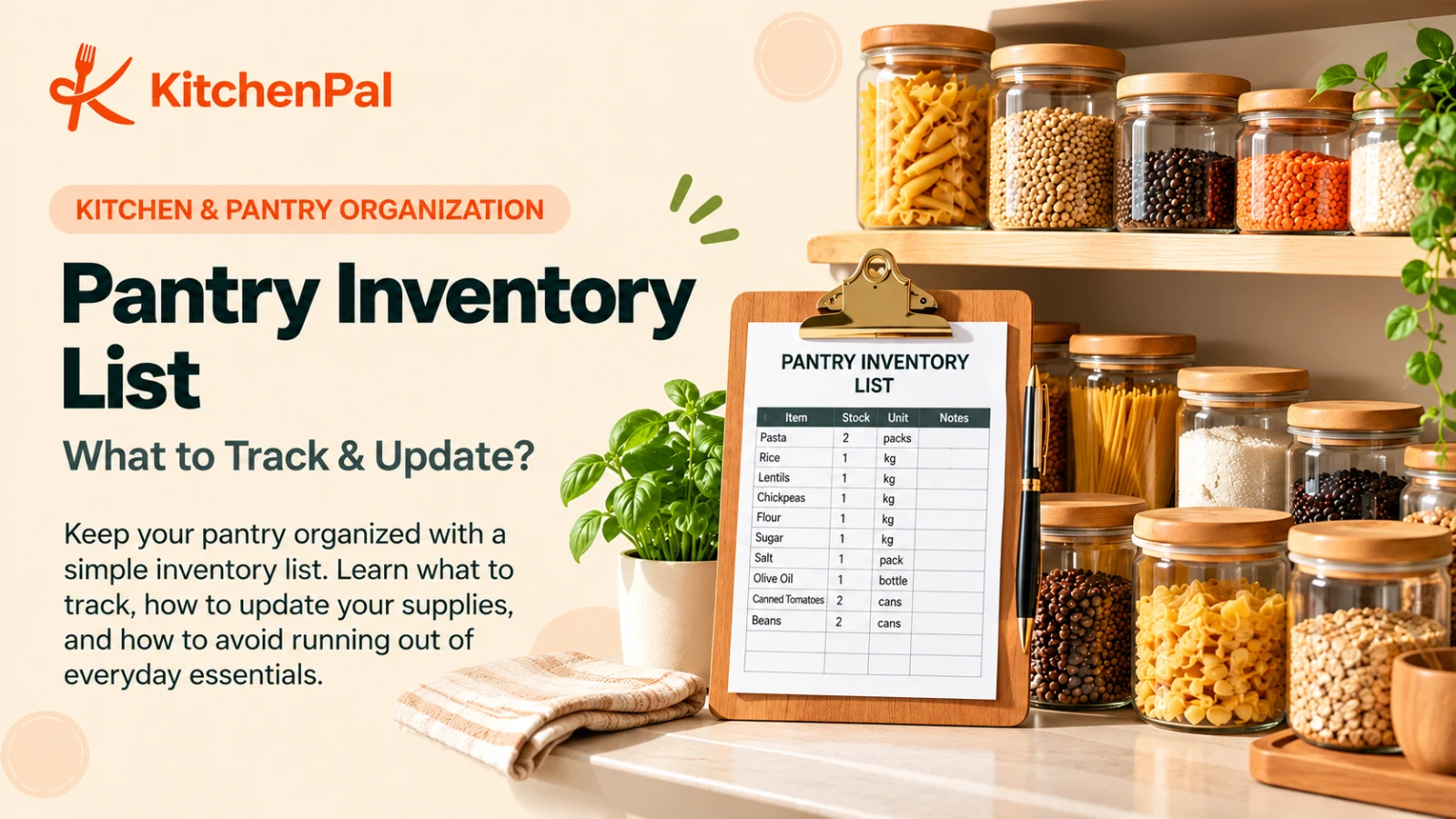
Maintaining a pantry inventory list makes it easier to track available ingredients and identify what needs replenishing.
Place older ingredients where they are easy to see and prioritize suitable items that need to be used soon.
3. Prepare Some Ingredients Ahead
You don't need to cook every meal in advance to make family meal planning easier. Preparing a few ingredients ahead can save time during busy mornings and evenings.
Wash vegetables, portion snacks, cook grains, or prepare sauces before the week begins. Store prepared ingredients safely in suitable containers and refrigerate or freeze them as needed.
4. Make Room for Leftovers
Leftovers can become useful ingredients for another meal instead of going to waste. Extra roasted chicken can be added to sandwiches, cooked vegetables can go into omelets, and leftover rice can become a quick grain bowl.
Plan at least one meal around suitable leftovers each week. Follow safe storage and reheating practices, and refrigerate perishable leftovers promptly.
Using ingredients more than once also helps you make better use of your grocery purchases. These simple ways to reduce food waste at home can help you build more practical kitchen habits.
5. Keep the Plan Flexible
A family meal plan should make life easier, not create additional pressure. Allow family members to suggest meals, swap dishes between days, or replace ingredients when something is unavailable.
You can also involve children in choosing a breakfast or dinner for the week. This gives everyone a chance to participate and can make family meals more enjoyable.
How KitchenPal Makes Family Meal Planning Easier
Planning meals is only one part of managing a family's kitchen. You also need to keep track of available ingredients, remember what to buy, and make sure everyone knows what's planned for the week.
KitchenPal brings these tasks together. With the KitchenPal app, you can organize weekly meals, discover recipes using ingredients you already have, and create grocery lists based on meal plans. Its kitchen inventory features also help you keep track of pantry, refrigerator, and freezer supplies.
You can share grocery lists and meal plans with family members, making it easier to coordinate grocery shopping and cooking without maintaining separate lists.
Conclusion
A practical family meal plan starts with meals your household enjoys and ingredients you can easily find. Plan the week, prepare a few ingredients ahead, use leftovers intentionally, and leave room for schedule changes.
Start small: choose three dinners for the coming week, check what you already have, and build your grocery list from there. With a little organization, breakfast, lunch, and dinner become much easier to manage.