Gastrointestinal disorders have increasingly come to the forefront of modern clinical research, given their substantial impact on daily functionality and overall quality of life. Among the most prevalent and thoroughly debated conditions are Irritable Bowel Syndrome (IBS) and Small Intestinal Bacterial Overgrowth (SIBO). While historically categorized distinctively—with IBS treated as a functional bowel disorder and SIBO treated as an organic bacterial infestation—the lines between them have blurred significantly in recent years.
1. What Are IBS and SIBO?
Irritable Bowel Syndrome (IBS)
Irritable Bowel Syndrome is a chronic, functional gastrointestinal disorder characterized by recurrent abdominal pain and altered bowel habits. It affects approximately 10% to 15% of the population across Europe and North America. The exact pathogenesis of IBS remains unknown, but it is recognized as a complex, multifactorial condition. Key contributing pathways include:
- Abnormalities in gastrointestinal motility.
- Immune disorders or low-grade inflammation of the intestinal mucosa.
- Visceral hypersensitivity, which causes a person to perceive regular digestive movements as painful or highly uncomfortable.
- Disruptions along the gut-brain axis and central nervous system processing.
- Gut microbiota dysbiosis.
Small Intestinal Bacterial Overgrowth (SIBO)
In contrast, SIBO is defined by an abnormal structural or quantitative shift of microorganisms within the digestive tract. In a healthy digestive tract, the vast majority of gut bacteria reside in the large intestine (colon), while the small intestine retains a significantly lower bacterial population. In individuals suffering from SIBO, this spatial organization fails.
An excess of bacteria, or the introduction of colon-type bacteria, populates the small intestine. When these microbes consume carbohydrates passing through the small intestine, they prematurely ferment them into gases (such as hydrogen and methane) and short-chain fatty acids. This rapid gas production results in severe distension, bloating, abdominal cramping, and shifts in stool output, manifesting as either diarrhea or constipation depending on the dominant microbial species involved.
2. Pathophysiology and Predisposing Factors
While IBS often features general hyper-reactivity of the gut nerves, SIBO is frequently driven by identifiable physiological or mechanical failures. The human body relies on several defense mechanisms to protect the small intestine from bacterial encroachment, and failures in these mechanisms predispose individuals to SIBO:
- Small Intestine Dysmotility: The migrating motor complex (MMC) acts as an "intestinal broom," clearing remaining food debris and bacteria during fasting periods. If motile function slows or breaks down, stagnant contents allow bacteria to multiply.
- Low Stomach Acid (Hypochlorhydria): Gastric acid is a primary sterile barrier that neutralizes ingested bacteria. Factors that diminish this acid barrier include Helicobacter pylori infections, structural alterations from gastric bypass surgeries, or the chronic use of medications like Proton Pump Inhibitors (PPIs) and antacids.
- Anatomical or Structural Vulnerabilities: Diverticula in the small intestine, surgical strictures, or scars can form physical niches where bacteria remain trapped and multiply.
- Immunodeficiency: Weakened systemic or local immune defenses (such as low secretory IgA or immunodeficiency syndromes) compromise the body's capacity to control bacterial growth.
- Medication Overuse: Frequent or prolonged courses of broad-spectrum antibiotics, narcotics, and severe bowel-slowing agents can significantly disturb the homeostasis of gastrointestinal flora.
3. How Are They Diagnosed?
Diagnostics for IBS
Because IBS lacks a clear structural biomarker, its clinical diagnosis relies heavily on standardized, symptom-based criteria alongside the exclusion of organic warnings (red flags). The current gold standard is the Rome IV Criteria. Under Rome IV, an individual is diagnosed with IBS if they experience recurrent abdominal pain occurring at least one day per week on average for the past three months, with symptom onset at least six months prior. This pain must also be associated with two or more of the following:
- Relation to defecation (either relieving or worsening the pain).
- An association with a change in the frequency of stool.
- An association with a change in the form or appearance of stool.
Diagnostics for SIBO
SIBO diagnosis focuses on directly assessing or inferring the presence of elevated bacteria in the upper intestinal tract. The primary clinical method is the hydrogen-methane breath test.
Mechanism: Humans do not naturally possess the enzymes required to generate hydrogen or methane gases; these are exclusively byproducts of microbial fermentation.
Procedure: A patient ingests a sugar solution (such as glucose or lactulose) after a fasting period. Breath samples are then collected at regular intervals to measure gas levels. An early, rapid increase in exhaled hydrogen or methane indicates that bacteria residing high up in the small intestine are fermenting the sugar before it can reach the colon.
In addition to breath tests, providers use blood tests to look for systemic complications of severe SIBO, such as deficiencies in iron, vitamin B12, or vitamin D, which occur when excess bacteria consume host nutrients before absorption. Stool testing may also be utilized to rule out alternative pathogens or check for excess unabsorbed fats.
4. Impact on Individuals
The impact of chronic abdominal issues on daily life is profound. Both IBS and SIBO cause prominent bloating—described clinically as an uncomfortable, tight, or painful feeling of fullness. This physical distress frequently leads to emotional and mental health issues, with studies indicating a severely reduced quality of life linked directly to the unpredictable and chronic nature of the symptoms.
Beyond discomfort, severe SIBO can present malabsorptive complications. Overgrowing bacteria consume proteins and critical vitamins (like B12) intended for the host, and break down bile salts needed to process dietary fats. While most nutritional deficiencies remain mild and difficult to detect, advanced cases can result in systemic malnutrition, unintentional weight loss, and chronic fatigue.
5. Therapeutic Strategies: Alleviating Symptoms
Management typically involves a combination of medical intervention, behavior modification, and targeted dietary protocols.
Medical and Antibiotic Therapy
For SIBO, antibiotics are the primary first-line treatment choice to reduce the overabundant bacterial populations. The most extensively researched and utilized antibiotic is Rifaximin. Rifaximin is highly favored because it is virtually non-absorbed by the body, meaning it acts locally within the gastrointestinal tract with minimal systemic side effects.
However, antibiotics alone are rarely a definitive, permanent cure. Because underlying predisposing factors (such as poor motility or low acid output) often persist, SIBO symptoms frequently recur within a few months of completing a course of antibiotics. Long-term resolution requires identifying and fixing structural anomalies, adjusting medications, or introducing therapeutic dietary interventions.
6. Where the Low FODMAP Diet Fits In
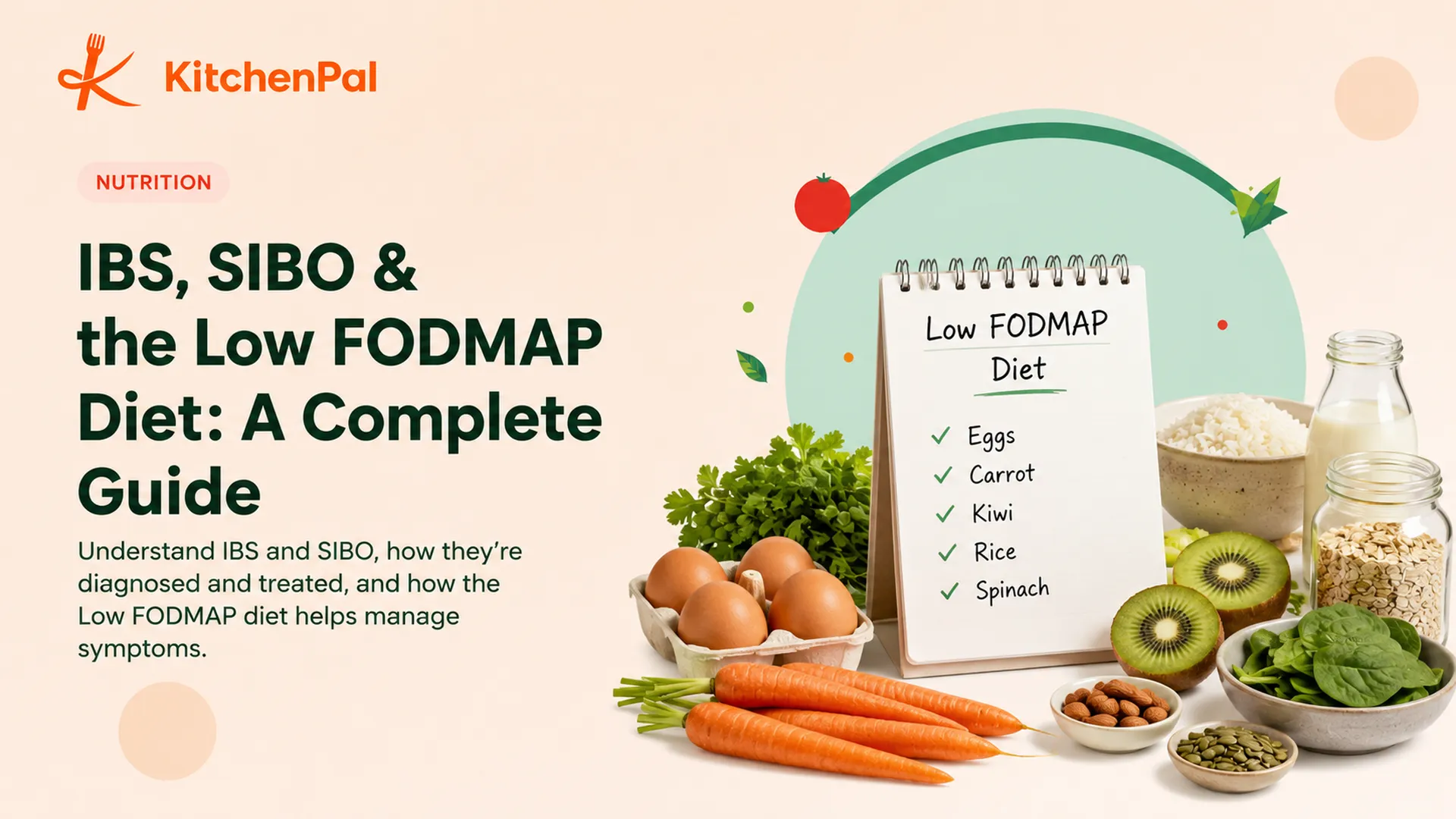
The most prominent non-pharmacological dietary therapy utilized for both IBS and SIBO is the Low FODMAP Diet.
Understanding FODMAPs
FODMAP is an acronym that represents a specific collection of short-chain carbohydrates:
- Fermentable: Readily broken down by gut bacteria.
- Oligosaccharides: Includes fructans and galacto-oligosaccharides (found in foods like wheat, onions, garlic, and legumes).
- Disaccharides: Lactose (found in dairy products like milk and yogurt).
- Monosaccharides: Fructose (found in high concentrations in certain fruits like apples, pears, and honey).
- Polyols: Sugar alcohols such as sorbitol and mannitol (present in stone fruits and artificial sweeteners).
FODMAP molecules share characteristics that make them highly problematic for sensitive digestive systems: they are poorly absorbed in the human small intestine, meaning they travel slowly and draw water into the bowel via osmosis. When they arrive in areas populated by dense collections of bacteria (the colon in healthy individuals, or the small intestine in SIBO patients), the microbes ferment them rapidly. This dual effect of water retention and rapid gas production physically stretches the gut wall. While this occurs in all humans, those with IBS or SIBO suffer from visceral hypersensitivity, translating this stretching into severe cramping and distension.
The Three Phases of the Protocol
The diet was pioneered by researchers at Monash University and is structured as a learning protocol rather than a permanent, highly restrictive lifetime diet:
- The Elimination/Restriction Phase: For a period lasting between 2 to 6 weeks, all foods high in FODMAPs are strictly eliminated and replaced with low FODMAP alternatives. For example, high-FODMAP vegetables like garlic, onions, asparagus, and mushrooms are replaced with options like carrots, cucumbers, or lettuce.
- The Reintroduction Phase: Once a patient experiences adequate symptom relief, individual FODMAP categories are systematically reintroduced one by one. This step is vital to pinpoint exactly which sugars trigger symptoms and determine individual tolerance thresholds.
- The Personalization Phase: The final goal is to create a long-term, modified diet that restricts only the specific sugars that cause distress, while keeping the diet as broad and diverse as possible to maintain overall microbial health.
7. Requisite Clinical Research and Evidence
Extensive global data supports the use of the low FODMAP diet. Initial foundational research conducted by Monash University demonstrated that implementing a low FODMAP diet successfully improves gastrointestinal symptoms in approximately 3 out of 4 (75%) people with IBS.
A clinical study published by Bogdanowska-Charkiewicz et al. (January 2026) provides further insight into how this diet functions in patients diagnosed with IBS, SIBO, or Intestinal Methanogen Overgrowth (IMO):
- Broad Efficacy Across Diagnoses: A key finding of the study was that symptom reduction occurred independently of the initial diagnosis. Whether a patient presented with classic Rome IV IBS, confirmed SIBO, or IMO, the beneficial impact of a low FODMAP diet in reducing symptom severity remained consistent.
- Targeted Relief for Bloating: Among IBS patients, 90.7% reported overall symptom reduction. The single greatest improvement recorded before and after the diet was the reduction of bloating (Mean Difference = -5.03, p < 0.001).
- The Antibiotic Synergy Effect: The study revealed a strong correlation between medical history and dietary success: patients who had taken antibiotics prior to starting the low FODMAP diet were approximately 7 times more likely to respond well to the dietary change (Odds Ratio = 7.10, p = 0.028). This highlights a valuable synergistic relationship, suggesting that clearing out acute overgrowths with localized antibiotics like Rifaximin creates an ideal baseline for the diet to maintain symptom stability.
- Importance of Program Completion: Simply entering the elimination phase is not sufficient. Patients who fully completed both the elimination and reintroduction phases were approximately 3.43 to 3.5 times more likely to show significant symptom improvement compared to those who dropped out early (Odds Ratio = 3.43, p = 0.024).
- Compliance Difficulties: Despite its high clinical success, the study noted that a low FODMAP diet is challenging to execute. Less than half of the tracked participants evaluated the diet as easy to follow, and only 43.9% of patients successfully completed the full program. The inclusion of supplemental probiotics during the protocol did not alter outcomes (p = 0.529).
Due to these compliance challenges, researchers and clinical institutions strongly recommend that the low FODMAP diet be undertaken under the guidance of a qualified gastrointestinal dietician. A professional helps ensure nutritional adequacy during the restriction phase, provides guidance through reintroduction, and prevents unnecessary, overly restrictive eating behaviors that could harm long-term gut health.
If you happen to be recommended a Low FODMAP diet, we at KitchenPal can help. The KitchenPal app allows you to filter our recipes by Low FODMAP compliant (we have thousands of recipes that fit the bill), so you can always find something that you can cook and eat.
Summary
| Metric / Aspect | Irritable Bowel Syndrome (IBS) | Small Intestinal Bacterial Overgrowth (SIBO) |
|---|---|---|
| Primary Definition | Chronic functional bowel disorder featuring abdominal pain and altered stool form. | Structural or quantitative overgrowth of bacteria inside the small intestine. |
| Diagnostic Gold Standard | Rome IV Clinical Criteria. | Hydrogen-Methane Breath Testing. |
| Key Clinical Symptoms | Cramping pain, bloating, diarrhea/constipation cycles. | Heavy bloating, gas, altered habits, potential nutrient malabsorption. |
| First-Line Medical Treatment | Symptom-based medications (laxatives, antispasmodics). | Localized, non-absorbed antibiotics (e.g., Rifaximin). |
| Dietary Intervention Efficacy | Highly effective (75%+ response rate via low FODMAP diet). | Highly effective for symptom control independently of underlying cause. |