Good grocery shopping starts with better planning
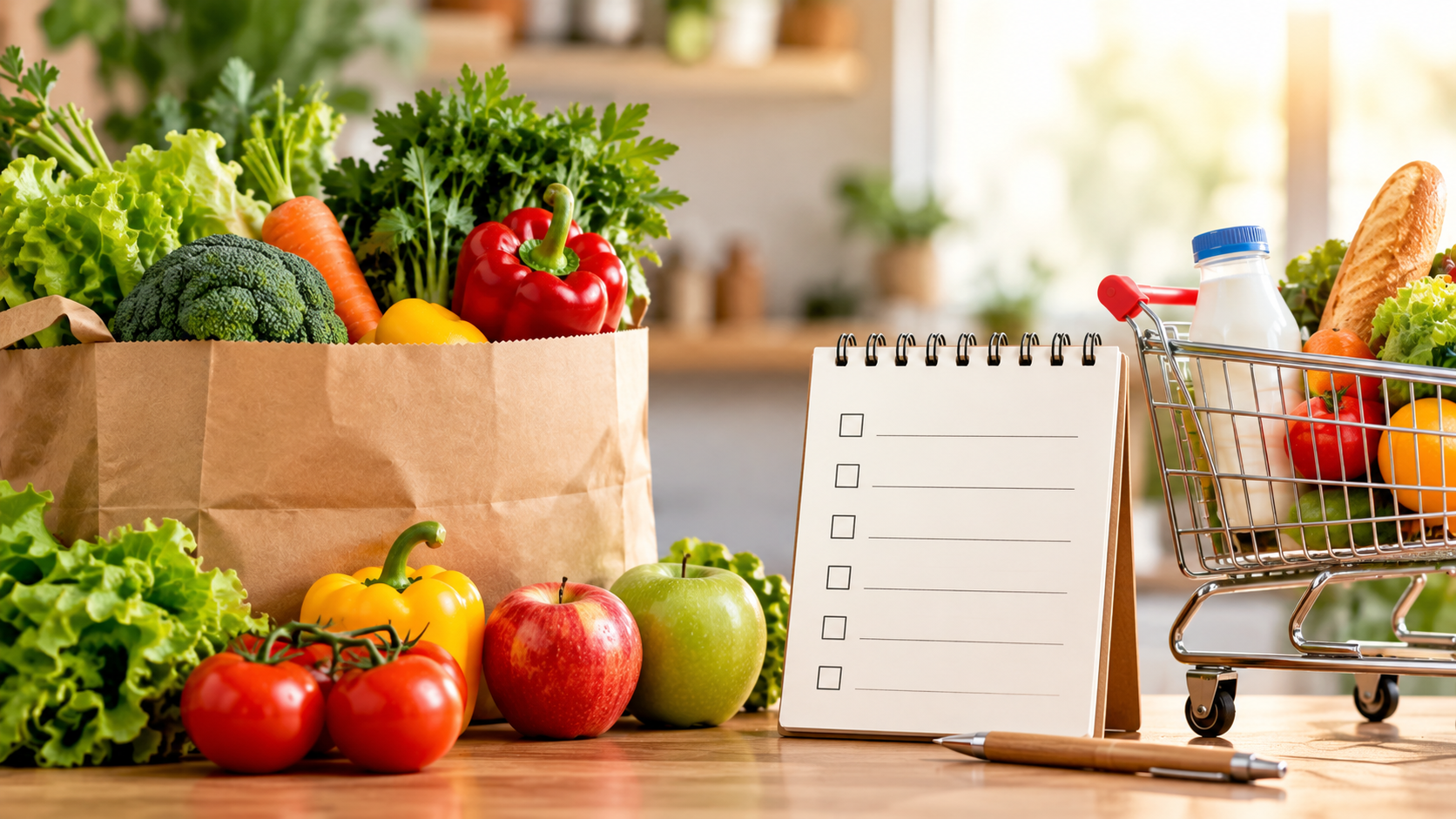
Good grocery shopping starts before you enter the store. Knowing your kitchen inventory, meal plans, and deciding what you need can make your grocery list more useful.
Check Your Kitchen Before Shopping
Check your pantry, refrigerator, and freezer before making your grocery list. Knowing what you already have helps you avoid buying duplicates.
Plan Meals Before Building Grocery List
Plan your meals before deciding what to buy. This helps you identify the ingredients you need and organize your grocery shopping around your actual meals.
Decide What You Actually Need
Consider your existing food, upcoming meals, and household needs before adding items to your list. This helps you focus on essential purchases instead of buying on impulse.
Prepare for the Full Grocery List
Create your complete grocery list before leaving home. Having everything in one place makes it easier to remember important items and plan your trip.
Grocery shopping can get complicated
Even a routine grocery trip comes with several challenges. From forgotten items to changing prices, small problems lead to extra spending and unnecessary trips.
Buying What You Already Have
Without a clear view of your kitchen inventory, it is easy to buy items you already have. Checking your existing stock helps prevent duplicate purchases.
Forgetting What You Need
Forgetting an important ingredient can disrupt your meal plans or send you back to the store. A complete grocery list makes your needs easier to remember.
Changing Grocery Prices
Grocery prices change over time, making regular shopping harder to budget for. Keeping track of prices helps you understand your grocery spending.
Going Over Budget
Small purchases quickly push your grocery bill beyond your budget. Planning your list and tracking your spending help you stay more aware of your total.
Making Too Many Grocery Runs
Forgotten ingredients and poor planning turn one grocery trip into several. Knowing what you need before shopping helps reduce unnecessary grocery runs.
Managing Shopping as a Family
Family shopping becomes difficult when everyone adds different items. A shared grocery list helps keep household shopping organized in one place.
A smart grocery list app can make all the difference
A smart grocery list app does more than remind you what to buy. It connects your shopping needs with your kitchen inventory and meal plans, making grocery planning easier.
Shop With Your Kitchen Inventory in Mind
Check what you already have before adding items to your list. This helps you shop based on what your kitchen actually needs.
Turn Meal Plans Into Grocery Lists
Your meal plans help you determine what belongs on your grocery list. Planning this way connects the meals you want to make with the ingredients you need.
Keep Your Shopping List Organized
Keep your grocery items and quantities together instead of relying on memory or scattered notes. You can also organize lists based on different stores or shopping needs.
Reduce Duplicate and Unplanned Purchases
A clear grocery list gives you a better idea of what you need before you shop. This helps reduce duplicate purchases and items you did not plan to buy.
Staying within your grocery budget isn't always easy
Food spending is another important part of grocery shopping. When prices change and small purchases add up, keeping track of your food budget becomes difficult without a clear view of what you are spending.
Planning Your Grocery Spending
Set a grocery budget before you shop and plan your list around your needs. This gives you a spending target to work with during your shopping trip.
Tracking Prices as You Shop
Keep track of item prices while adding groceries to your cart. Knowing what each purchase costs can make your overall spending easier to monitor.
Keeping an Eye on Your Running Total
A running total shows how your grocery purchases are adding up. This helps you stay aware of your spending before you reach checkout.
Understanding How Grocery Prices Affect Your Budget
Changes in grocery prices affect how much you spend on your regular shopping list. Tracking your spending over time helps you understand these changes.
Avoiding Unplanned Grocery Purchases
An organized shopping list gives you a clear plan to follow in the store. It helps you stay focused on the groceries you actually need.
Reviewing Your Previous Grocery Spending
Looking at previous grocery purchases helps you understand your shopping habits. This information also helps you plan future grocery trips more effectively.